
Building Financial Confidence
Simple Money Habits That Can Improve Your Future
Sarah Chen
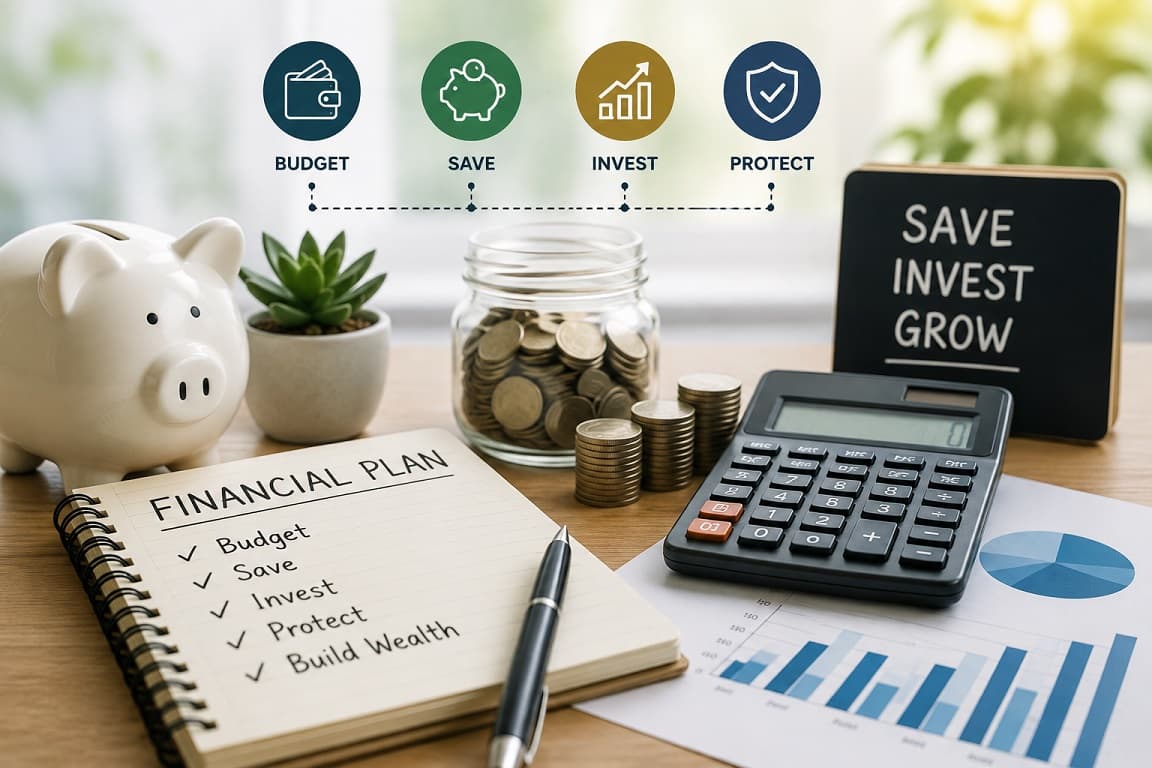
Building Financial Confidence: Simple Money Habits That Can Improve Your Future
Introduction
Money
plays an important role in almost every aspect of our lives. It helps us meet
our daily needs, achieve personal goals, support our families, and prepare for
unexpected situations.
Yet, many
people believe that managing finances is complicated or only relevant to
accountants and investment experts.
The truth
is much simpler.
Good
financial management is less about earning a huge income and more about making
thoughtful decisions with the money you already have.
Small
habits practiced consistently can create financial stability and reduce stress
over time.
Whether
you're a student, a working professional, a business owner, or someone planning
for retirement, developing healthy financial habits is one of the most valuable
life skills you can learn.
What Does Financial
Wellness Mean?
Financial
wellness is the ability to comfortably manage your day-to-day expenses while
preparing for future needs.
It
doesn't necessarily mean being wealthy.
Instead,
it means having confidence that you can:
- Pay your regular bills on
time
- Handle unexpected expenses
- Save for future goals
- Avoid unnecessary debt
- Make informed financial
decisions
Financial
wellness brings peace of mind and allows people to focus on their personal and
professional lives.
Why Financial Planning
Matters
Life is
full of surprises.
Unexpected
medical expenses, home repairs, job changes, or family responsibilities can
arise at any time.
Having a
simple financial plan helps you prepare for these situations instead of
reacting under pressure.
A
financial plan doesn't need to be complicated.
It simply
means understanding:
- How much money you earn
- Where your money goes
- How much you save
- What your future goals are

Build a Monthly Budget
A budget
is one of the simplest financial tools available.
Think of
it as a roadmap for your money.
Start by
listing:
Income
- Salary
- Business income
- Freelance work
- Rental income
- Other earnings
Essential Expenses
- House rent or home loan
- Electricity and water bills
- Groceries
- Transportation
- Education
- Insurance
Lifestyle Expenses
- Entertainment
- Dining out
- Shopping
- Travel
- Subscriptions
Once you understand where your money is going, it becomes easier to identify areas where you can save.

Make Saving a Habit
Many
people save whatever money is left at the end of the month.
A better
approach is to save first.
Even
setting aside a small percentage of your income regularly can make a meaningful
difference over time.
Consistency
is often more important than the amount.
Saving
helps you prepare for future goals such as:
- Buying a home
- Higher education
- Starting a business
- Family celebrations
- Retirement
Create an Emergency Fund
Life
doesn't always go according to plan.
An
emergency fund provides a financial cushion during unexpected situations.
Examples
include:
- Medical emergencies
- Job loss
- Major vehicle repairs
- Home maintenance
- Family emergencies
Building
this fund gradually can reduce the need to borrow money during difficult times.
Use Credit Responsibly
Credit
cards and loans can be useful financial tools when used wisely.
However,
borrowing more than you can comfortably repay may create long-term financial
pressure.
Some good
practices include:
- Paying bills on time
- Avoiding unnecessary
borrowing
- Understanding loan terms
before signing
- Keeping track of repayment
schedules
Responsible
borrowing helps maintain a healthy financial record.
Plan for Long-Term Goals
Financial
planning isn't only about today's expenses.
It also
involves preparing for tomorrow.
Common
long-term goals include:
- Children's education
- Buying a home
- Starting a business
- Retirement planning
- Family security
The
earlier you begin planning, the more flexibility you'll have in achieving these
goals.
Protect Yourself with
Insurance
Insurance
plays an important role in financial planning.
It helps
reduce the financial impact of unexpected events.
Depending
on individual needs, people may consider:
- Health insurance
- Life insurance
- Vehicle insurance
- Home insurance
Choosing
suitable coverage can provide greater financial security for you and your
family.
Beware of Financial Scams
As
digital payments and online banking become more common, financial fraud has
also increased.
Some
simple precautions include:
- Never share your banking
passwords or one-time passwords (OTPs).
- Verify websites before
making online payments.
- Be cautious of messages
promising guaranteed high returns or quick wealth.
- Confirm investment
opportunities through trusted sources.
- Report suspicious activity
immediately to your bank or relevant authorities.
A few
moments of caution can prevent significant financial loss.
Teach Financial Literacy at
Home
Good
financial habits often begin within the family.
Parents
can encourage children to understand concepts such as:
- Saving regularly
- Spending wisely
- Setting goals
- Understanding needs versus
wants
- Making thoughtful purchasing
decisions
These
lessons can help build confidence and responsibility from an early age.
Small Habits, Big Results
Financial
success is usually built through consistent habits rather than dramatic
changes.
Simple
actions like:
- Tracking expenses
- Saving regularly
- Avoiding unnecessary debt
- Reviewing financial goals
- Learning continuously
can lead
to meaningful improvements over time.
Remember,
every positive financial decision—no matter how small—contributes to a stronger
future.
Final Thoughts
Managing
money doesn't require advanced financial knowledge.
It starts
with awareness, discipline, and planning.
By
understanding your income, controlling your expenses, saving consistently, and
preparing for unexpected situations, you can build greater financial confidence
and reduce stress.
Financial
well-being is a journey, not a destination.
Every small step you take today helps create a more secure tomorrow.

Key Takeaways
- Financial wellness is about
managing money confidently, not becoming wealthy overnight.
- Creating a monthly budget
helps you understand your spending.
- Saving regularly, even in
small amounts, builds long-term security.
- An emergency fund prepares
you for unexpected situations.
- Responsible use of credit
helps avoid unnecessary financial stress.
- Insurance provides
protection against unforeseen events.
- Staying alert to online
financial scams is essential.
- Consistent financial habits create lasting results.
Rate this article
Sign in to rate this article.