
Technology in Everyday Life
How It Quietly Shapes the Way We Live
Sarah Chen
Introduction
When we
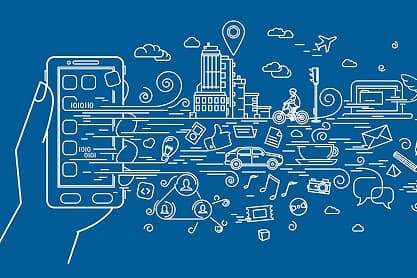
hear the word technology, many of us immediately think of computers,
smartphones, robots, or artificial intelligence. While these are all part of
technology, its impact extends far beyond gadgets and software.
Technology
has become an invisible companion in our daily lives. From the moment we wake
up until we go to bed, we rely on it in countless ways—often without even
realizing it.
Whether
it's paying for groceries with a mobile app, booking a doctor's appointment
online, navigating through traffic using maps, or attending virtual classes,
technology has quietly transformed the way we live, work, and communicate.
The best
part? You don't need to be a technology expert to benefit from it.
What Is Technology?
At its
core, technology is simply the use of knowledge and tools to solve problems and
make life easier.
Centuries
ago, the invention of the wheel was considered revolutionary technology. Today,
cloud computing and artificial intelligence represent the latest innovations.
The tools
may have changed, but the purpose remains the same:
Making everyday tasks simpler, faster, and more efficient.
Technology Around Us
Many
people assume technology is limited to offices or IT companies. In reality, it
is present almost everywhere.
For
example:
- Digital payments allow us to
shop without carrying cash.
- Navigation apps help us
avoid traffic and reach destinations faster.
- Smart home devices can
control lighting and appliances with a single tap.
- Online education enables
students to learn from anywhere.
- Video calls help families
stay connected across different cities and countries.
- Farmers use weather
forecasts and smart irrigation systems to improve crop production.
- Hospitals use modern
equipment to diagnose diseases earlier and provide better treatment.
Technology has become an important part of almost every profession and every household.
How Technology Makes Daily
Life Easier
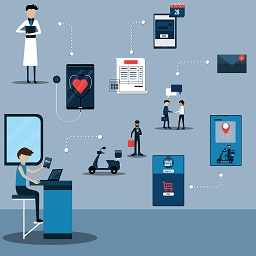
Better Communication
Distance
is no longer a barrier. Whether through messaging apps, emails, or video calls,
staying connected has become easier than ever.
Families, friends, and businesses can communicate instantly regardless of location.
Faster Access to Information
Earlier,
people spent hours searching through books and newspapers for information.
Today,
knowledge is available within seconds.
Whether you're learning a new recipe, checking the weather, reading about health, or researching a travel destination, information is just a few clicks away.
Improved Healthcare
Technology
has significantly improved healthcare services.
Patients
can:
- Book appointments online
- Consult doctors remotely
- Access medical reports
digitally
- Monitor fitness using
wearable devices
Doctors can also diagnose illnesses more accurately using advanced medical equipment.
Smarter Transportation
Technology
has made traveling safer and more convenient.
Navigation
systems provide real-time directions.
Ride-booking
services allow passengers to find transportation quickly.
Public transport systems increasingly use digital ticketing and live tracking.
Easier Financial Management
Online
banking has reduced the need to visit bank branches for everyday tasks.
People
can:
- Transfer money
- Pay bills
- Monitor expenses
- Apply for services
—all from their smartphones.
The Role of Technology in Education
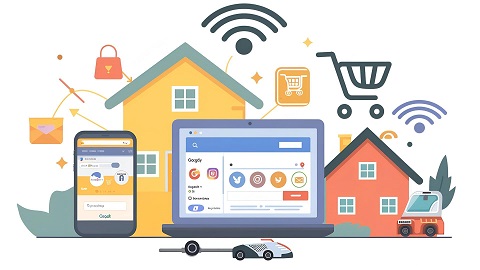
Education
has changed dramatically over the past decade.
Students
can now attend online classes, watch educational videos, access digital
libraries, and practice through interactive learning platforms.
Teachers
can reach learners from different locations while using digital tools to make
lessons more engaging.
Technology has made learning more flexible and accessible.
Technology in Small
Businesses
Technology
is no longer only for large companies.
Small
businesses now use affordable digital tools to:
- Manage inventory
- Track sales
- Accept digital payments
- Reach customers through
social media
- Sell products online
- Maintain customer
relationships
These tools help businesses save time and improve efficiency.
Challenges That Come with
Technology
While
technology offers many advantages, responsible use is equally important.
Some
common challenges include:
Information Overload
The
internet provides enormous amounts of information, but not all of it is
accurate.
Learning to identify reliable sources is an essential skill.
Privacy
Many
online services collect personal information.
Users should always use strong passwords, enable two-factor authentication where available, and be cautious about sharing personal details online.
Screen Time
Excessive
use of phones and computers may affect physical and mental well-being.
Maintaining a healthy balance between digital and offline life is important.
Cyber Safety
Online
scams and fraudulent websites continue to grow.
Being aware of suspicious emails, fake websites, and unknown links can help users stay protected.
Looking Ahead
Technology
will continue to evolve.
Future
innovations may further improve healthcare, education, transportation,
agriculture, and communication.
However,
the goal should not be to replace people—it should be to empower them.
The most successful technologies are those that simplify life while allowing people to focus on creativity, relationships, and meaningful work.
Final Thoughts
Technology
isn't just about machines or complex software.
It is
about solving everyday problems and creating opportunities.
Whether
you're a student, a homemaker, a professional, a business owner, or a retiree,
technology has something valuable to offer.
Understanding
how it works—and using it responsibly—can help all of us lead more informed,
connected, and productive lives.
Rather than being something to fear, technology should be viewed as a tool that, when used wisely, can improve our quality of life.
Key Takeaways
- Technology is designed to
solve problems and simplify everyday life.
- It plays an important role
in communication, healthcare, education, finance, and transportation.
- Small businesses also
benefit from digital tools.
- Responsible use includes
protecting privacy, managing screen time, and practicing online safety.
- Technology should empower
people, not replace them.
Rate this article
Sign in to rate this article.