
Traveling with Kids
A Complete Family Travel Checklist for a Safe and Stress-Free Journey.
Sarah Chen

Introduction
Traveling as a family creates memories that last a lifetime.
Whether it's a weekend getaway, a road trip, a visit to grandparents, or an international vacation, traveling with children brings excitement, curiosity, and opportunities for learning.
However, parents know that traveling with kids also requires careful planning.
A forgotten medicine, missing documents, hungry children, or unexpected delays can quickly turn an enjoyable trip into a stressful experience.
The good news is that a little preparation goes a long way.
With thoughtful planning and a well-organized travel kit, families can enjoy smoother, safer, and more comfortable journeys.
This guide shares practical tips to help parents prepare before leaving home.
Plan Before You Pack
Successful travel begins well before the day of departure.
A few days before your trip:
- Confirm hotel and transportation bookings.
- Check weather forecasts for your destination.
- Plan suitable clothing.
- Prepare travel documents.
- Charge electronic devices.
- Download offline maps if traveling to unfamiliar places.
- Share your travel itinerary with a trusted family member.
Preparing early reduces last-minute stress.
Keep Important Documents Ready
Whether traveling within your country or abroad, keep essential documents together in one waterproof folder.
Carry:
- Government-issued photo ID
- Passport (for international travel)
- Boarding passes or train tickets
- Hotel booking confirmations
- Travel insurance documents
- Emergency contact numbers
- Copies of important documents (digital and printed)
It's also useful to store scanned copies securely on your phone or cloud storage.
Pack a Family Travel First Aid Kit
One of the most important items for parents is a basic first aid kit.
Consider including:
Basic Medical Supplies
- Adhesive bandages
- Antiseptic wipes
- Cotton and medical tape
- Digital thermometer
- Hand sanitizer
- Face masks (if needed)
Medicines
Carry medicines that your family regularly uses, along with any prescribed medications.
Depending on your family's needs, you may also consider bringing:
- Medicine for fever (as recommended by your healthcare provider)
- Motion sickness medication
- Allergy medication
- Oral rehydration solution (ORS)
- Pain relief medicine
- Insect bite cream
- Sunscreen
- Lip balm
If anyone in the family has an ongoing medical condition, ensure you carry sufficient medication for the entire trip.
Essentials for Babies and Young Children
If you're traveling with infants or toddlers, packing thoughtfully can make a big difference.
Your travel bag may include:
- Diapers
- Baby wipes
- Changing mat
- Baby food
- Formula (if applicable)
- Feeding bottles
- Sipper cup
- Bibs
- Extra clothes
- Blanket
- Favorite toy
- Pacifier (if used)
- Baby lotion
- Rash cream
Keeping these items within easy reach helps during long journeys.
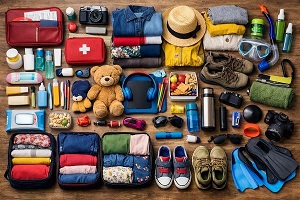
Healthy Snacks for the Journey
Children often become hungry while traveling.
Instead of relying only on food available during the journey, pack healthy snacks such as:
- Fresh fruits
- Dry fruits
- Roasted makhana
- Roasted chana
- Nuts (if age-appropriate and there are no allergies)
- Homemade sandwiches
- Whole-grain biscuits
- Energy bars
- Plenty of drinking water
Avoid excessive sugary snacks, which may lead to short bursts of energy followed by tiredness.
Dress Comfortably
Comfort is especially important during long journeys.
Choose:
- Lightweight clothing
- Comfortable footwear
- Weather-appropriate jackets
- Hats or caps for sunny destinations
- Rain jackets or umbrellas if required
It's also wise to pack one extra set of clothes for every child in your cabin bag.
Keep Kids Engaged During the Journey
Long travel times can be challenging for children.
Pack a small activity kit containing:
- Coloring books
- Story books
- Puzzle books
- Crayons
- Small toys
- Playing cards
- Downloaded educational videos
- Children's music or audiobooks
- Headphones suitable for children
Encouraging screen-free activities whenever possible can make the journey more enjoyable.
Safety Comes First
Teaching children simple safety habits before the trip can provide peace of mind.
Discuss:
- Staying close to parents in crowded places.
- Not talking to strangers without permission.
- Memorizing parents' names and phone numbers (if age-appropriate).
- Identifying police officers or authorized staff if they become separated.
- Wearing an identification band with emergency contact details for younger children.
These small precautions can be extremely valuable.
Maintain Hygiene While Traveling
Travel often involves exposure to new environments.
Simple hygiene practices can help reduce the risk of illness.
Carry:
- Hand sanitizer
- Wet wipes
- Tissues
- Reusable water bottles
- Disposable bags for waste
Encourage children to wash or sanitize their hands before eating.
Don't Forget Digital Essentials
Technology can make travel much easier.
Useful items include:
- Mobile phone charger
- Power bank
- Charging cables
- Universal travel adapter (for international travel)
- Headphones
- Offline entertainment
- Digital copies of travel documents
Keeping devices charged can be especially important during emergencies.
Be Flexible with Your Schedule
Children may become tired, hungry, or overwhelmed more quickly than adults.
Try to:
- Allow extra time between activities.
- Schedule regular meal breaks.
- Include time for rest.
- Avoid planning too many attractions in a single day.
A relaxed itinerary often leads to a more enjoyable family vacation.
Respect Local Culture and Environment
Travel is also an opportunity to teach children valuable life lessons.
Encourage them to:
- Respect local customs.
- Keep public places clean.
- Avoid wasting food.
- Protect wildlife and nature.
- Follow local rules.
- Be polite and respectful toward others.
These experiences help children become responsible travelers.
A Quick Family Travel Checklist
Before leaving home, make sure you have:
Documents
- ✔ ID Cards
- ✔ Passport (if required)
- ✔ Tickets
- ✔ Hotel Bookings
- ✔ Emergency Contacts
Health
- ✔ First Aid Kit
- ✔ Prescription Medicines
- ✔ ORS
- ✔ Thermometer
- ✔ Sanitizer
Kids
- ✔ Snacks
- ✔ Water Bottle
- ✔ Extra Clothes
- ✔ Toys
- ✔ Story Books
- ✔ Baby Essentials (if applicable)
Electronics
- ✔ Mobile Phone
- ✔ Charger
- ✔ Power Bank
- ✔ Camera
- ✔ Travel Adapter
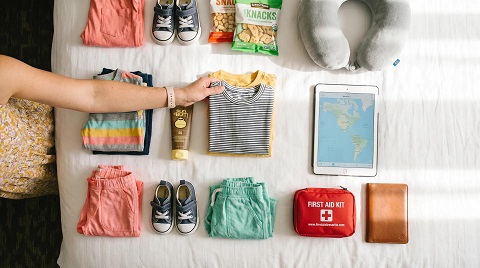
Traveling with children may require a little extra planning, but it also brings some of life's most memorable moments.
With thoughtful preparation, realistic expectations, and a well-packed travel kit, parents can spend less time worrying and more time enjoying the journey.
After all, travel isn't only about reaching a destination.
It's about learning together, exploring together, and creating stories your family will cherish for years to come.
Key Takeaways
- Planning ahead reduces travel stress.
- Keep travel documents organized and accessible.
- Always carry a basic first aid kit and essential medicines.
- Pack healthy snacks and enough drinking water.
- Bring entertainment to keep children engaged.
- Teach children simple travel safety rules.
- Maintain hygiene throughout the journey.
- Allow flexibility in your itinerary.
- Focus on creating enjoyable family memories rather than following a perfect schedule.
Travel Tip of the Day
"When traveling with children, pack not just for the destination—but also for the journey."
A well-prepared travel bag can make every mile more comfortable for the whole family.
Rate this article
Sign in to rate this article.